Wetlands and Traditional Knowledge Celebrating Cultural Heritage Focus Area Riverine Wetlands of Mahaica Laluni Village
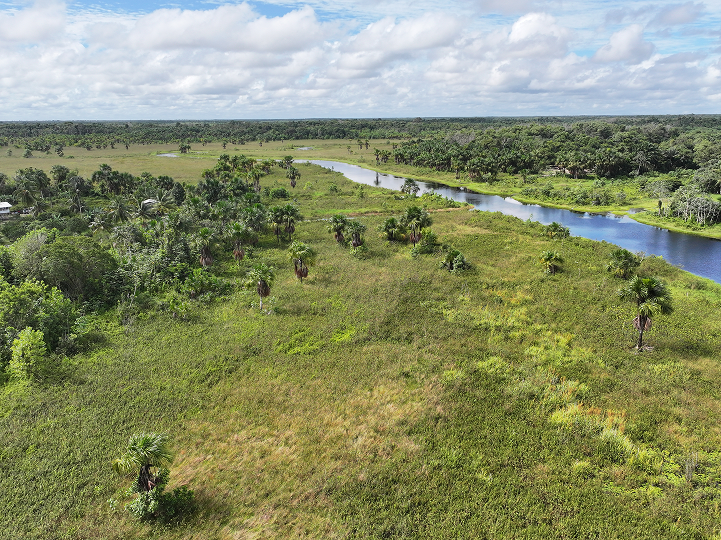
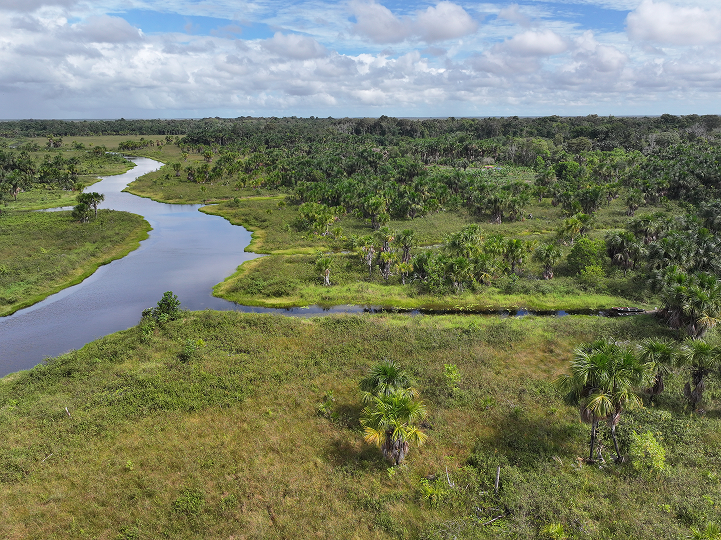
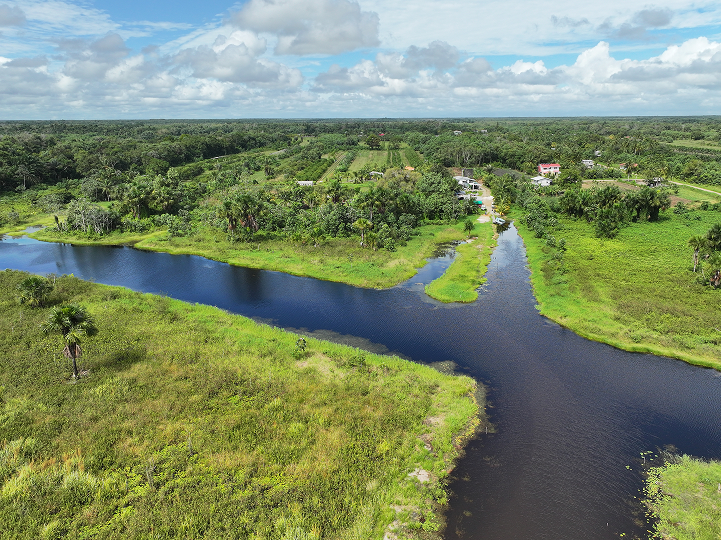
World Wetlands Day 2026 is observed under the theme Wetlands and Traditional Knowledge Celebrating Cultural Heritage highlighting the deep connections between people culture and wetland ecosystems. In Guyana these connections are clearly reflected in the riverine wetlands of Mahaica and Laluni Village where wetlands have long sustained livelihoods traditions and environmental balance.
Riverine wetlands are among the most productive ecosystems in the world. Along the Mahaica River and surrounding waterways wetlands play a vital role in flood control water purification climate regulation and biodiversity conservation. These wetlands provide habitat for fish birds and other wildlife while supporting agriculture and food security for nearby communities. For residents of Laluni Village wetlands are not only natural assets they are part of everyday life and cultural identity.
For generations traditional knowledge has guided how communities interact with these wetlands. Indigenous and riverine practices passed down through storytelling observation and experience have shaped sustainable ways of fishing farming and resource use. Seasonal fishing
patterns careful harvesting of aquatic plants and respect for natural cycles have helped maintain wetland health long before modern environmental management frameworks existed.
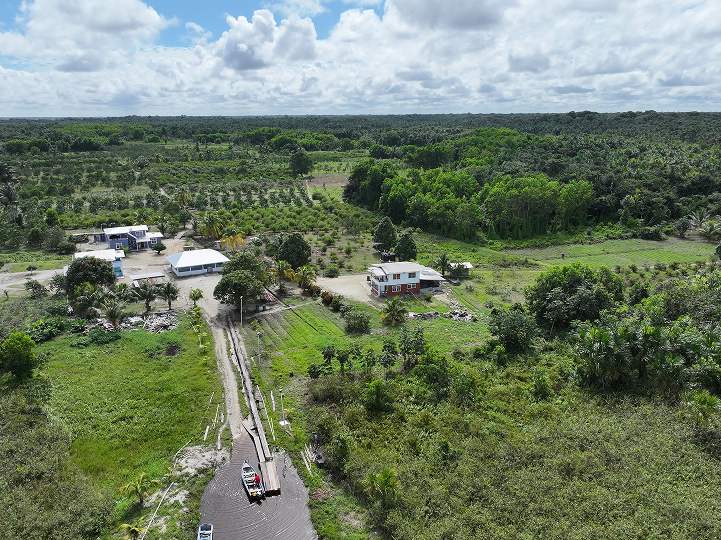
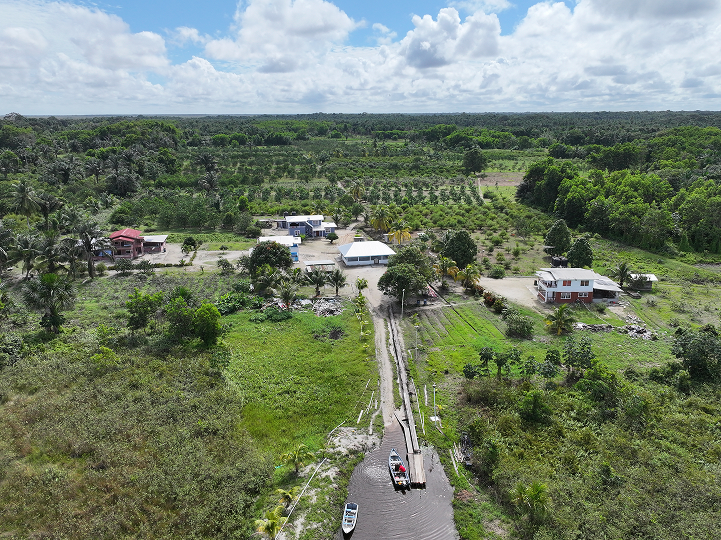
In Laluni Village traditional knowledge informs how residents navigate waterways manage riverbanks and respond to seasonal flooding. The wetlands are used for subsistence fishing transportation and small scale agriculture while cultural practices reinforce respect for nature
and collective responsibility for environmental stewardship. This knowledge system reflects an understanding that human wellbeing is closely linked to the health of wetland ecosystems.
However riverine wetlands face increasing pressures from pollution unsustainable waste disposal climate change and land use changes. These threats not only endanger biodiversity but also risk eroding traditional practices that depend on healthy wetlands. Protecting wetlands
therefore means protecting cultural heritage livelihoods and intergenerational knowledge.
World Wetlands Day 2026 provides an opportunity to recognize that traditional knowledge and modern science are complementary. When combined they can strengthen wetland management and conservation. Community led monitoring local participation in decision making and respect for cultural practices enhance efforts to protect riverine wetlands like those in Mahaica and Laluni.
The Environmental Protection Agency EPA continues to support awareness conservation and sustainable management of wetlands across Guyana. By valuing traditional knowledge alongside regulatory frameworks Guyana can ensure that wetlands remain resilient and productive for future generations.
As we observe World Wetlands Day 2026 let us celebrate the riverine wetlands of Mahaica and Laluni Village not only for their ecological importance but for the cultural heritage they sustain. Protecting wetlands is more than an environmental responsibility it is a commitment to preserving history knowledge and ways of life that have stood the test of time.

 Environmental Protection Agency